

India EFT Council

Registrations open EFIT Essentials• Scheduled In Person Workshop• Scheduled EFIT Consultation• Now scheduling Free Webinar• Coming soon Membership• Coming soon EFCT Core Skills•

Resources

Here you will find carefully selected EFT-related resources. These include books, articles, tools, and materials useful for therapists, couples, and anyone interested in Emotionally Focused Therapy.

  • Books in Hindi & English
  • Manuals for Therapists
  • Research Articles on EFT
  • Training Support Material
  • Videos & Podcasts
  • Links to Global EFT Networks
  • Downloadable Worksheets
  • Guides for Couples & Individuals

Books in Hindi

hindi 1

Emotional Focused Individual Therapy – Hindi Guide

A simple introduction to EFIT for individuals seeking emotional clarity. This book explains the core principles of emotional bonding, attachment, and self-connection.A beginner-friendly EFIT guide that helps individuals understand emotional patterns and self-connection. It introduces the basics of attachment, emotional needs, and healing through awareness.

Counselling Guides & Tools

Worksheet Pack for EFT Therapists (Created by India EFT Council Faculty)

A free downloadable pack containing:
✔ Emotion Cycle Map
✔ Attachment Style quick guide
✔ Session preparation checklist
✔ EFT interventions cheat sheet

Articles on Emotionally Focused Therapy

What Is Emotionally Focused Therapy?

Emotionally Focused Therapy (EFT) is an evidence-based approach that focuses on strengthening emotional bonds between partners. It helps individuals understand their deeper feelings, unmet needs, and attachment patterns. EFT is based on attachment theory and emphasizes safety, responsiveness, and connection. Through structured conversations, couples learn to replace conflict cycles with secure and loving interactions.

EFT works by identifying negative interaction patterns—such as withdrawal, blame, or defensiveness—and transforming them into moments of emotional openness. Couples learn how to express vulnerability, respond with empathy, and rebuild trust. Research shows that EFT leads to long-term improvement in relationship satisfaction, emotional intimacy, and communication.

Attachment styles—secure, anxious, avoidant, and disorganized—shape how people seek closeness and respond to emotional needs. EFT helps individuals recognize their attachment style and how it influences their behavior in relationships. This awareness becomes a pathway to healing old wounds and developing secure attachment with their partner.

Many couples get stuck in repetitive cycles such as “pursue–withdraw” or “attack–defend.” EFT identifies these patterns and uncovers the emotions driving them. Therapists guide partners to slow down, recognize their triggers, and create new interaction patterns that foster safety rather than conflict.

True connection happens when partners share vulnerable emotions like fear, sadness, or loneliness instead of anger or criticism. EFT encourages partners to speak from these deeper feelings, making it easier for the other person to respond with care. Vulnerability becomes a bridge to secure bonding.

EFT isn’t only for couples. Individual EFT helps people explore their emotional world, understand attachment injuries, and heal from unmet needs or past relational trauma. It provides a safe therapeutic space to transform emotional patterns that affect all areas of life—self-worth, trust, intimacy, and connection.

Emotionally Focused Family Therapy (EFFT) supports families in repairing ruptures between parents, children, and siblings. It helps members express emotions safely, understand each other’s needs, and reduce tension. Families learn to rebuild trust and strengthen their emotional bonds through supportive and empathic conversations.

EFT is highly effective for couples or individuals dealing with trauma. It helps survivors create safety, stabilize emotions, and process painful experiences with support. By strengthening attachment, EFT provides a secure foundation for trauma healing and restores emotional balance.

EFT is backed by more than 30 years of research. Studies show a 70–75% recovery rate for distressed couples and 90% significant improvement. It works because it focuses on the emotional brain, attachment needs, and the human need for connection. These elements make the change long-lasting and transformative.

Unlike conventional therapy, which often focuses on communication skills or problem-solving, EFT goes deeper—addressing the emotional roots of disconnection. Instead of analyzing conflicts, EFT transforms emotional experiences, which naturally improves communication, intimacy, and relational stability.

Videos

  • Introduction to EFT (short explainer video)
  • How Attachment Patterns Shape Love
  • Session Example: EFT De-escalation Stage
  • The Role of Emotions in Relationship Repair

Podcasts

  • “The Science of Love” — Attachment explained simply
  • Therapist Talks: Using EFT in India
  • EFT & Mindfulness Integration
  • Trauma, bonding, and emotional safety

EFT Networks & International Links

These external sites offer global EFT resources and training updates:

  • ICEEFT – International Centre for Excellence in EFT
  • EFT Community Europe
  • EFT Australia & New Zealand Network
  • South Africa EFT Community
  • EFT Asia Network

Special Tools from ICEEFT

  • Printable EFT session forms
  • ICEEFT certification process guide
  • Therapist directory information
  • Training policies & guidelines
Library

Resources.

Carefully selected EFT resources: books, articles, tools and materials for therapists, couples, and anyone interested in Emotionally Focused Therapy.

Books in English

The core reading list.

From popular introductions to the foundational clinical texts.

Cover of Love Sense
For couples

Love Sense

A popular, readable book on the science of love and bonding, and the emotional patterns that shape romantic relationships.

Cover of The Practice of Emotionally Focused Couple Therapy
Foundational text

The Practice of Emotionally Focused Couple Therapy

The foundational training text, walking therapists through EFT interventions and session breakdowns in detail.
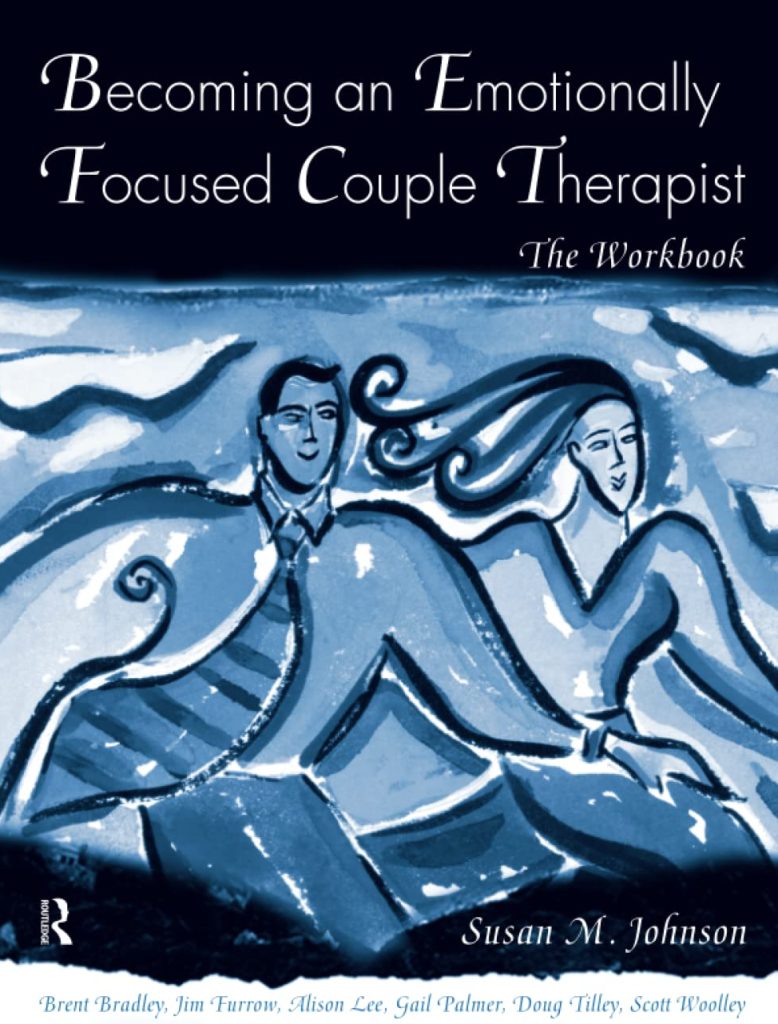
Cover of Becoming an Emotionally Focused Couple Therapist
Workbook

Becoming an Emotionally Focused Couple Therapist

A hands-on companion for new EFT therapists, with exercises, case examples and supervision-style practice prompts.

Cover of An Emotionally Focused Workbook for Relationship Healing
Workbook

An Emotionally Focused Workbook for Relationship Healing

A step-by-step workbook guiding couples through bonding exercises and emotional communication tools.

Cover of Emotionally Focused Family Therapy: Restoring Connection
Family work

Emotionally Focused Family Therapy: Restoring Connection

A comprehensive guide to strengthening family relationships through attachment-based interventions.
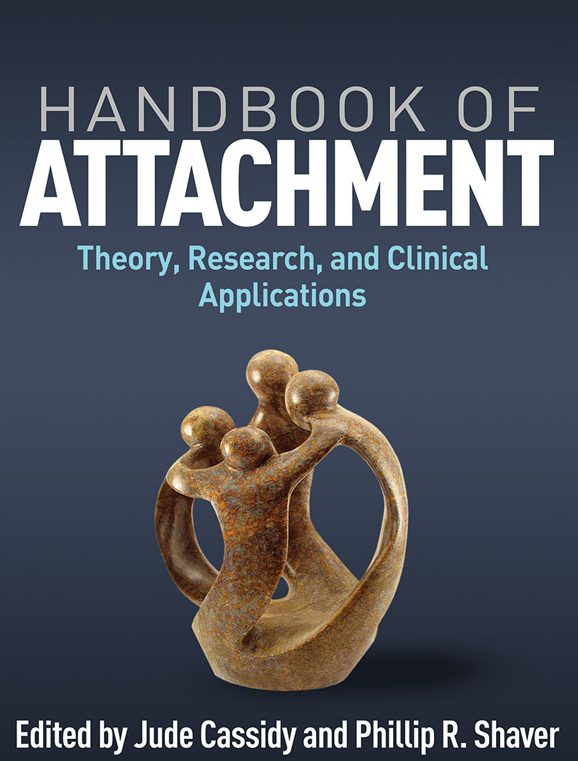
Cover of Attachment Theory in Practice
Theory

Attachment Theory in Practice

A practical guide integrating attachment science with EFT clinical work, and how attachment guides therapeutic change.

Cover of EFT with Trauma Survivors
Advanced

EFT with Trauma Survivors

A deep dive into using EFT to help trauma survivors regulate emotions and rebuild safety in relationships.
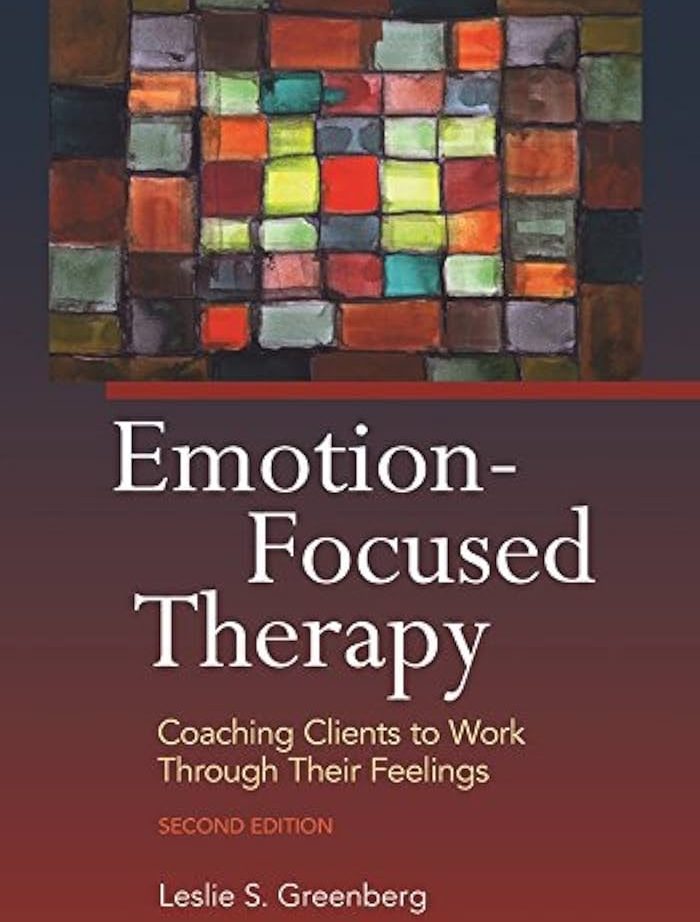
Cover of The Emotionally Focused Clinician
Advanced

The Emotionally Focused Clinician

Advanced material on case complexity, emotional regulation and therapist self-reflection, for therapists working with difficult dynamics.

Cover of Created for Connection
For couples

Created for Connection

A spiritually integrated EFT guide for couples seeking deeper bonding and emotional closeness.

Free download

Worksheet pack for EFT therapists.

Created by India EFT Council faculty. A free downloadable pack containing:

  • Emotion cycle map
  • Attachment style quick guide
  • Session preparation checklist
  • EFT interventions cheat sheet
Articles

Articles on Emotionally Focused Therapy.

What is Emotionally Focused Therapy?

EFT is an evidence-based approach focused on strengthening emotional bonds between partners. It helps individuals understand their deeper feelings, unmet needs, and attachment patterns. Based on attachment theory and emphasising safety, responsiveness and connection, structured conversations help couples replace conflict cycles with secure and loving interactions.

How EFT helps in strengthening relationships

Article content.

Understanding attachment styles in EFT

Article content.

The cycle of conflict: how EFT breaks negative patterns

Article content.

The role of vulnerability in Emotionally Focused Therapy

Article content.

EFT for individuals: emotional healing through attachment work

Article content.

EFT for families: rebuilding trust and connection

Article content.

EFT and trauma recovery

Article content.

The science behind EFT: why it works

Article content.

EFT compared with traditional talk therapy

Article content.

Watch and listen

Videos

  • Introduction to EFT, a short explainer
  • How attachment patterns shape love
  • Session example: EFT de-escalation stage
  • The role of emotions in relationship repair

Podcasts

  • The Science of Love: attachment explained simply
  • Therapist Talks: using EFT in India
  • EFT and mindfulness integration
  • Trauma, bonding, and emotional safety